Saturday, July 16, 2016

Have you got a TED Talk in you?


Have you got a TED talk in you?  An idea to share? A compelling life experience to reveal?

As a TED speaker, you’ll have up to 18 minutes to share your idea.  You’ll be looking to making it compelling.  You’ll be hoping to inspire your audience.  

You won’t be using notes.  There will be no lectern to hide behind.  There’s just you in the spotlight and an audience of 600 people willing you to do well!

How will you do all that?

My Speaker's Guide http://www.speak2us.com.au/product/your-unique-voice/  explains the key elements of public speaking in the TED style: 

Ninety Percent of how well you perform is already determined BEFORE you reach the TED stage.  And the ten percent?

The Ten percent is the performance.  The glory!  The thrill of connecting with your audience! 

As a TED Talks coach, I'll show you the techniques you'll need to share your idea with your audience and the world.  And most of all, I'll make sure it's a positive and enjoyable experience for you as a TED Talks Speaker.

Saturday, July 9, 2016

Public Speaking TED Style - Contemporary Public Speaking

Find your unique voice

Public Speaking TED Style – the What the Why and the How..........

As a Speaking Coach, the most common enquiry I receive goes like this:

Hi Sofia, “I would like to learn how to speak publicly. I've done a little bit but I often get very nervous, even in front of a small crowd, especially when I'm not completely prepared.  Can you help?”


Why is this enquiry typical?   The words “nervous” and the phrase “especially when I’m not completely prepared”.  When you consider that 90% of your public speaking presentation is already determined before you step on to the platform – you have an idea of the importance of preparation.  It’s only after you have learnt how to prepare that you can enjoy the 10% - the thrill and the pleasure of presenting.

There is so much available and accessible information, tips and techniques on the topic of public speaking.   There are so many books that have been written – there are so many gurus out there who promise to show you how. There are even those who claim they can provide you with instant confidence, kill nerves etc. – and often in a one day workshop costing many hundreds of dollars. 
There are so many theories.

Contemporary speaking is very different from what many of us know as public speaking.  I help my clients to speak in the TED Style – in the contemporary style – that has as its goal CONNECTING with your audience.  This is a win for your audience and for you.  When you keep them connected – your confidence increases.  If you lose them – observe how you feel.  Worse than awful!

There have been so many “secrets, tips and techniques” published on how to be  confident speaker – and if that’s all it took, we would all be brilliant speakers, with fabulous content, and adoring audiences!  There is no secret – or, if you like, the secret is called PREPARATION.  

Thursday, July 7, 2016

Coaching Speakers who speak at TED Talks


Find your unique voice


Tips for Speakers who would like to speak at at TED* 

1        Purpose:   Test the purpose of your talk by putting it into one sentence.

2.       Writing your Talk:  A piece of writing to be READ  is very different from a piece                   to be SAID.  It doesn't need proper grammar or complete sentences.

3.       Attitude:  It's not all about YOU. It's mainly about THEM. It's far easier on you as                   Speaker to come from a position of Service.  What can you give to your audience?                   The words YOU and YOURS are so important to use. "YOU will                    
          know........YOUR judgement will tell you that" .........

4.       What is your Call to Action? What do you want your audience to do when you have             finished speaking? Tell them what that is.

5.       Breathing:  The single most important thing in Speaking. Google it.

6.       Develop and Maintain your voice with simple voice exercises.  And exercises for                 vocal variety.  Again find some on the 'net and use them.

7.       Rehearse, Rehearse, Rehearse!  Rehearse out loud. Try rehearsing blocks or                           components of your talk - so as not to always start from the beginning. Record or video           yourself for feedback.

8.       The Transition:  You and the Performing You. Establish a "ritual" to take you from the           side stage to the Performing Space.  I use "Low, Slow and Smile"

9.       Visualisation: Visualise the stage, the audience and you doing well. 

10.     Step in to the Role:  It's a performance and you can step from YOU into the                             PERFORMING you!   And out again!
   
The original organisation is known as TED* Talks.  International franchises are known as TEDx
TED stands for Technology, Entertainment and Design.

Tuesday, June 28, 2016

Sunday, June 26, 2016

From Gap Year to Back to Work!

It's been a year since I posted a blog!  I'm energised and happy to be back to my public speaking coaching business after taking a "Gap Year." Our first six months were at Wallaga Lake (near Bermagui on the South Coast of New South Wales.) We were in a beautiful house right on the Estuary and looking out to sea.  Sunrises were glorious!  I started to write my book on"Contemporary Public Speaking" and my partner Peter started his Masters in Existential Psychotherapy course on line from Middlesex University in the UK.


Wallaga Lake and Beach
 

The second six months of our Gap Year was at Rye on the Mornington Peninsula in Victoria. Here, I made some attempts to continue writing - and Peter continued his studies, including tutorials held on line at 11pm our time - about 10am UK time.  
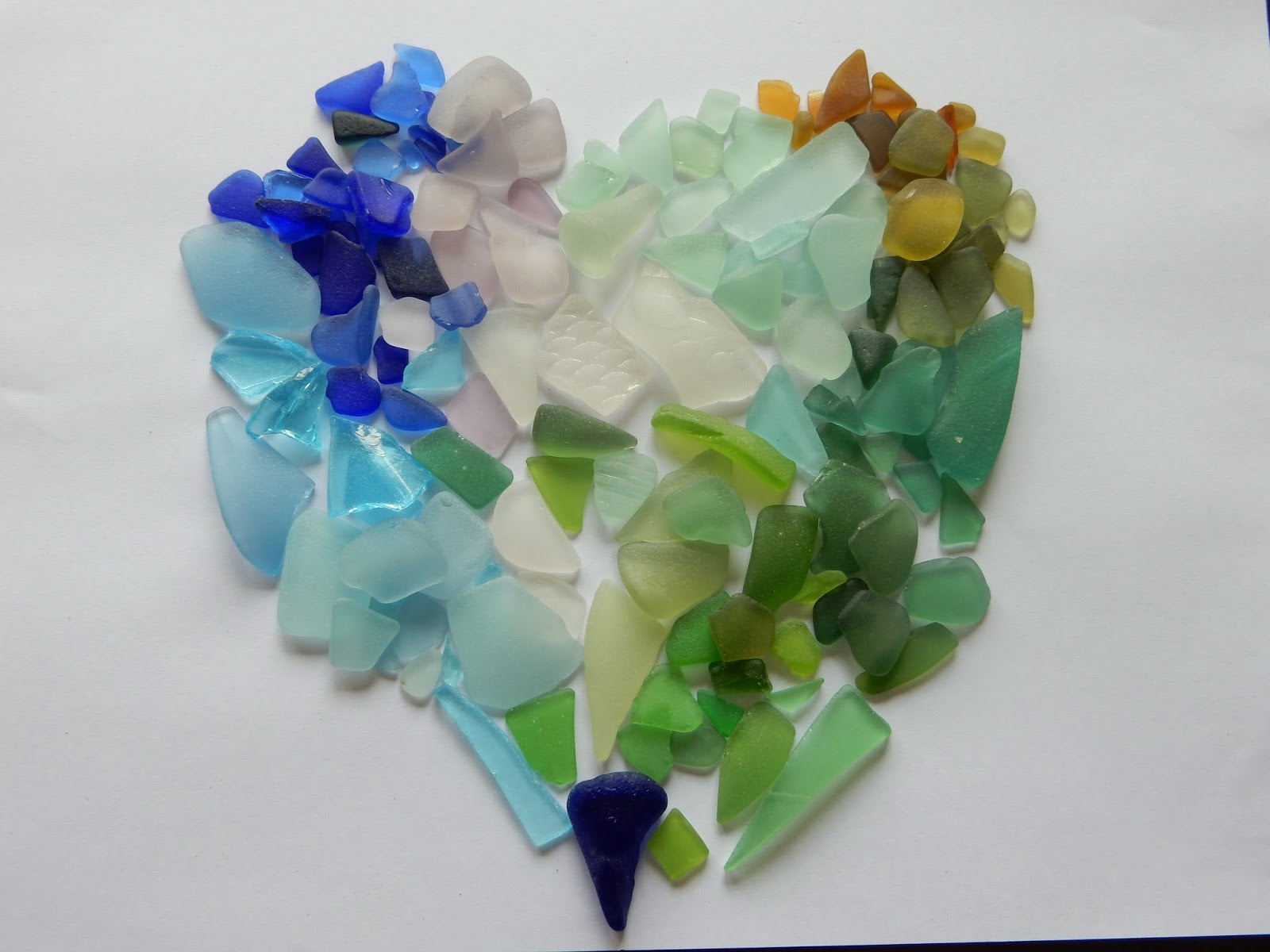
We discovered the rugged and magnificent beaches on the Bass Strait and found an exciting new hobby.  Walking on the beach and collecting sea glass, washed up on the tide.

Sea Glass from Diamond Bay, Mornington Peninsula


Tuesday, June 30, 2015

For a Special Speech - tell a Story

Speeches for Birthdays and other occasions

I coached my client to give a speech at her Mother's birthday celebration.  It made me think about a piece I wrote earlier this year.

(Michael Leunig's beautiful drawing)


"I'm  helping my client write a speech he will give to his father on the his 76th birthday.  His father is terminally ill and after 3 years of medical intervention is at the end of his journey.

As we were whiteboarding the draft of his speech, my client made it quite apparent that his dad was a man who didn't express his love for his five children (and now adults) and was a feisty, earthy, man of few words.


 My client had never before spoken in public but we         
 unearthed some gems when I asked him to think of incidents in his life when he felt warmth towards his father.  One such time was when he and his brother were having tennis lessons every Saturday - and his father would arrive in his daggy old gardening clothes - covered in grass and leaves from mowing and gardening. 

They were trying to impress the tennis girls and were mortified at the sight of their dad every Saturday - as he brought them sandwiches and a bottle of soft drink for their half time break.

If that's not love then I don't know what is.  


My client's speech was a winner, with laughing and crying - it's all the same thing!

And if your parent is not a demonstrative person, then I guess it's not that they don't love you."

Thursday, June 25, 2015

Contemporary Public Speaking

Just as the “command and control” approach to management has become outdated, so too has the authoritarian, didactic style of public speaking.  Thankfully it’s on its way out.


In its place is something I teach and pass on to my clients.  I call it “contemporary public speaking”. It is more in line with the Ted Talks protocol - careful construction, shorter, rather than longer. And, most importantly, connecting with the audience, in an ordinary person-person conversation.

The best way to connect with an audience is to have a conversation with them. Talk to them like you would with one person. Ask them questions - rhetorical and actual.  Rather than state to them, for example, “There are three thousand Retailers in this City” - say “how many Retailers would you think there are in this City?” 

Posing questions to your audience results in more than connection.  It focuses the audience on the question at hand. They feel consulted and involved.  So, my tip is to analyse your talk and see where you can pose questions that involve your listeners.

This style of contemporary speaking has so many rewards for the Speaker.  Not setting yourself up as the expert, it is so much easier to use your authentic voice. Interacting as much as possible breaks down much of the fear and nerves that may affect the Speaker.

Your authentic voice reveals much about who you are.  In the long gone era it was often more about who you were pretending to be.  So many of my clients have said they dreaded being asked a question for which they didn’t have an answer.  This suggests they were using a voice and a delivery that wasn’t their authentic self.  And they were not comfortable or confident.

A conversational tone of voice is easier to sustain.  The words you choose and your tone of voice are critical components of your communication. Imagine for yourself the impact on an audience and the difference between these two messages:

1.      “Today I am going to tell you about the history of Easter Island and the sculptured heads.”

2.     “My conversation with you today will be about Easter Island.  I’ll share with you some interesting facts and I’ll be asking you for your thoughts about the historical context.  We can do some imagining as to how those sculptured heads have lasted until today.”

Tone of voice is also critical because it reveals your enthusiasm for your topic - your attitude towards your audience and whether or not you have managed to engage them.

Contemporary public speaking involves a lot more than I have just described.  Careful construction of your talk - appropriate words and message to match the research you have done into the needs of your audience.  And then, of course, there is the delivery!  A whole subject in itself.

Next time you, as a Manager, speak to your employees, use a “person-to person” conversational tone.  You’ll find it’s a practice that benefits you, the employees and the whole organisation.  

Next time you speak to an audience - treat it as “a conversation with friends.”  You will be rewarded with a close connection to your audience.  You will enjoy, yes enjoy, Contemporary Public Speaking.